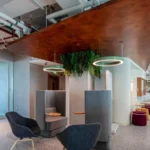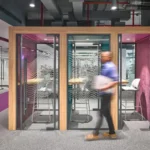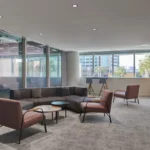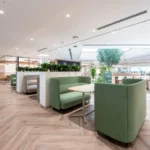



When people walk into a great workspace, they rarely stop to think about the floor beneath their feet.
They notice the light. The furniture. The colours. The layout. The atmosphere.
Yet flooring quietly connects all of these elements.
It influences how a space sounds, how it feels underfoot, how it looks and even how people move through it. In a well-designed workplace, flooring does not demand attention. It supports the experience almost invisibly.
That is what makes great commercial flooring so important.
It is not simply a surface between people and the building.
It is part of the environment in which people work, collaborate, meet and create.
Employee Wellbeing Starts with the Environment
Employees spend a significant part of their day in the workplace. The physical environment can therefore influence how comfortable and supported they feel.
Flooring contributes to this experience in several ways.
The right flooring can provide underfoot comfort, support appropriate zoning and contribute to a more welcoming atmosphere. Materials, textures and colours can also help create spaces that feel calm, energetic, professional or informal depending on the purpose of the area.
Wellbeing-focused workplace design is not about one feature.
It is about how all the details work together.
And flooring is one of those details.
Acoustics: What You Don’t See, You Still Hear
A beautiful office can become an uncomfortable workplace if it is constantly noisy.
Open-plan offices, meeting areas, phone calls and collaboration zones can create a complex acoustic environment. Flooring can play an important role in managing this experience.
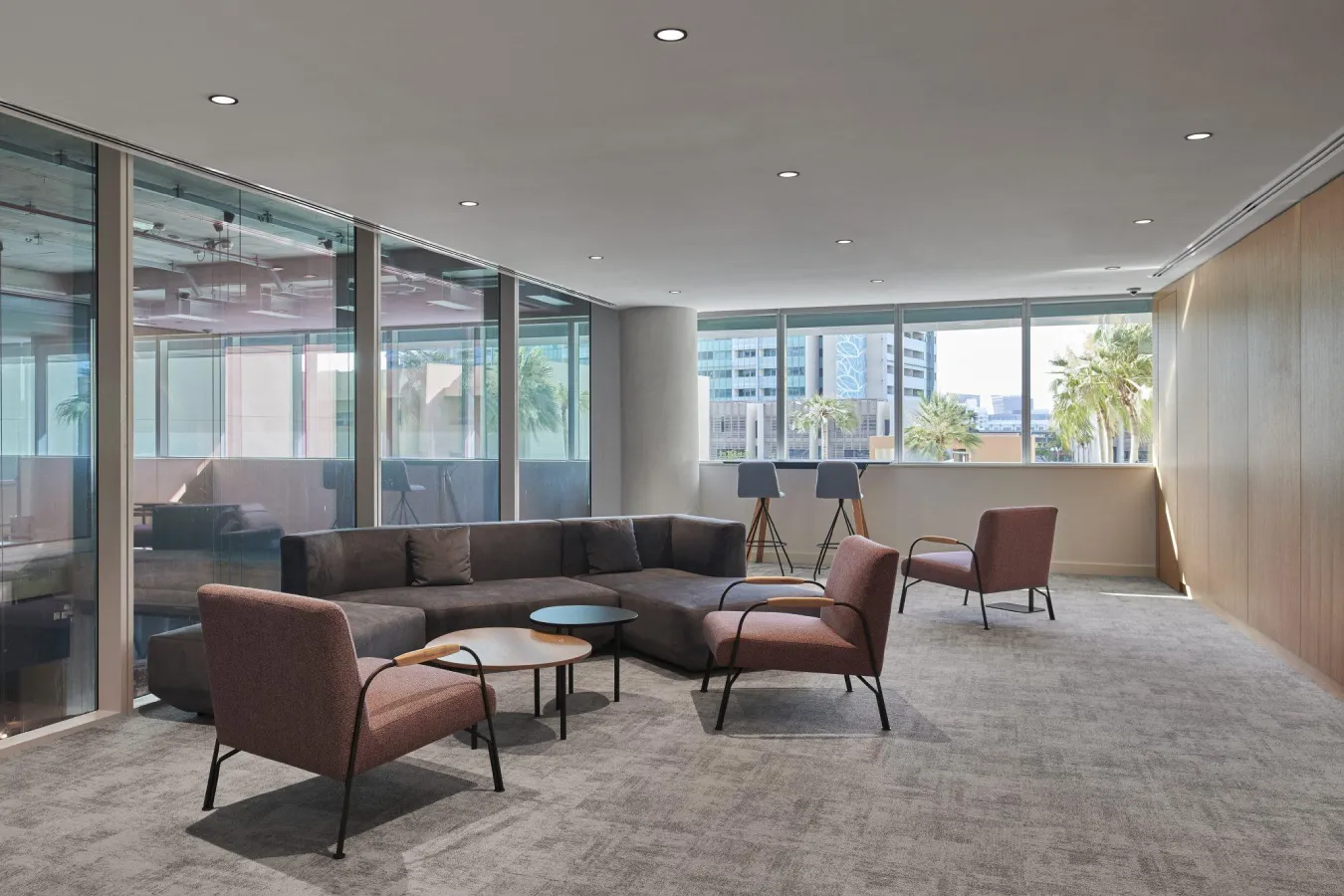
Carpet tiles and other flooring solutions can help reduce impact noise and contribute to a more comfortable acoustic environment when combined with appropriate walls, ceilings, furniture and space planning.
The result is not simply a quieter office.
It can be an environment where people can concentrate, communicate and collaborate more comfortably.
Productivity Is Influenced by the Space
Productivity is rarely determined by a single factor.
Technology, leadership, culture and processes all matter. But the physical environment can either support or hinder the way people work.
A thoughtfully designed workspace can make movement easier, help define different work zones and create an environment that employees enjoy spending time in.
Flooring can help establish these zones visually.
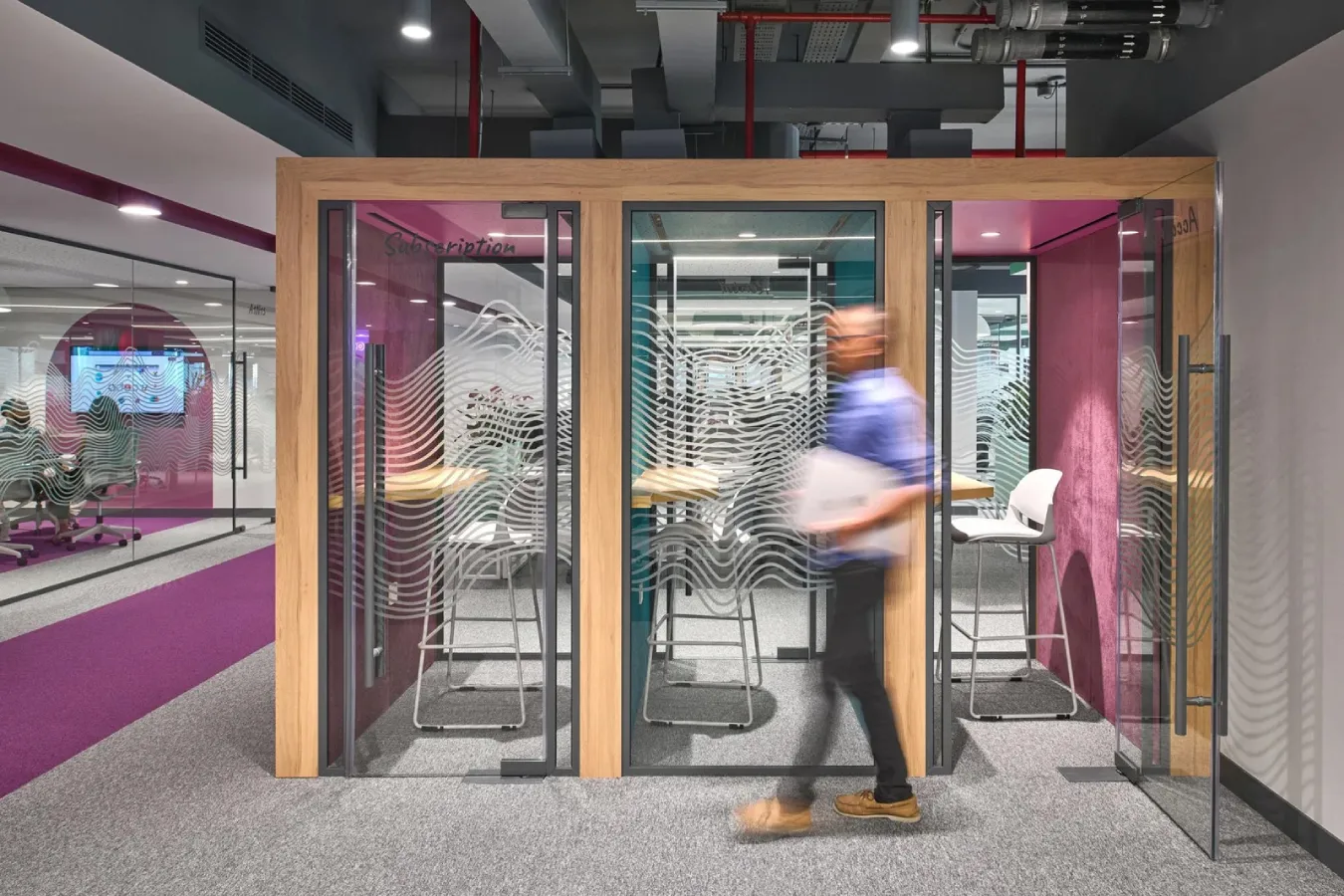
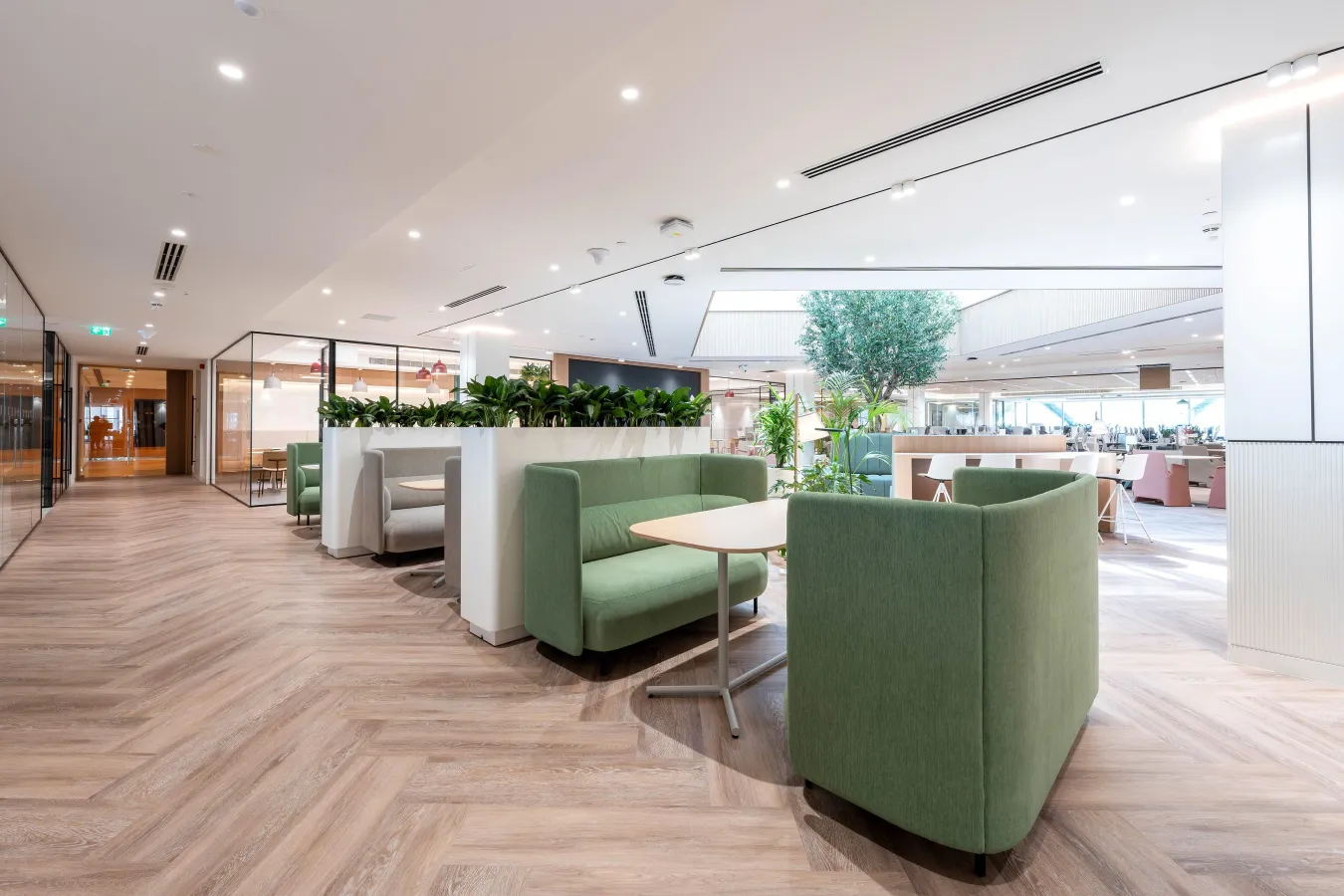
Different textures, patterns or materials can distinguish a collaborative area from a focused work zone, a reception from a staff area or a meeting space from a circulation route.
Good flooring does not tell people how to work.
It helps create an environment in which good work becomes easier.
Your Brand Is Under Your Feet
Branding is not limited to logos, colours and signage.
A company’s brand is also communicated through its physical environment.
Walk into a premium hotel, a technology company or a creative agency and you will often experience very different design languages.
Flooring contributes to that difference.
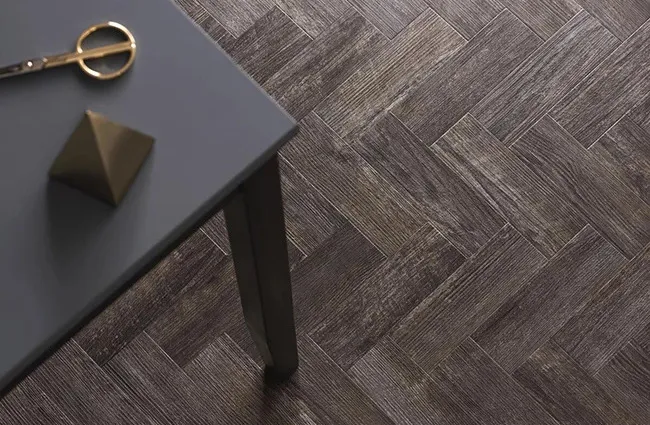
A sophisticated stone effect can communicate a very different impression from warm timber tones or bold geometric patterns.
The flooring does not need to display the company’s logo.
It simply needs to feel consistent with the brand.
Interior Design Begins from the Ground Up
Every interior has a visual hierarchy.
Walls, ceilings, lighting, furniture and finishes all compete for attention and work together to create the final impression.
Flooring provides one of the largest visual surfaces in that composition.
That makes its selection an architectural and interior-design decision—not merely a procurement decision.
The right flooring can:
- Complement furniture and finishes
- Define different zones
- Create visual continuity
- Add warmth or sophistication
- Introduce patterns and textures
- Support a company’s design identity
When flooring is specified correctly, it can make the rest of the design feel more cohesive.
First Impressions Start Before the Conversation
A visitor may not consciously analyse the flooring when entering an office.
But they experience it.
The reception area, entrance, corridors and meeting spaces collectively create an impression of the organisation before a single word is spoken.
Is the environment professional?
Welcoming?
Modern?
Premium?
Organised?
The details contribute to the answer.
Flooring is one of those details.
A worn, poorly maintained or inappropriate floor can undermine an otherwise impressive workplace. Conversely, well-selected flooring can provide a sense of quality and attention to detail without being visually overwhelming.
The Visitor Experience Matters Too
Employees are not the only people experiencing a commercial space.
Clients, partners, suppliers, candidates and guests all form impressions based on the environments they enter.
For customer-facing businesses, this becomes even more important.
Hotels, retail stores, showrooms, healthcare facilities and professional offices all need spaces that communicate confidence and care.
Flooring can help establish that experience from the moment someone walks through the door.
It becomes part of the journey.
Great Flooring Doesn’t Have to Be Loud
Some of the best flooring design is barely noticed.
It does not dominate the room.
It does not compete with the architecture.
It simply makes everything else work better.
The colours feel right. The acoustics feel comfortable. The zones are clear. The space feels cohesive. The environment feels considered.
That is the quiet power of good flooring.
It supports the architecture without demanding credit for it.
Flooring Is a Long-Term Workplace Decision
Because flooring is such a large part of a commercial interior, its impact continues long after the fit-out is complete.
Employees walk across it every day.
Visitors experience it every time they enter.
Cleaning teams maintain it.
Furniture moves across it.
Clients see it.
And the brand lives within the environment it helps create.
That is why flooring deserves to be considered as part of the workplace strategy from the beginning—not as an item to be selected at the end of a project.
Final Thoughts from Dawood Ali Mirza
A great workspace is rarely created by one spectacular feature.
It is created by hundreds of thoughtful decisions working together.
Flooring is one of those decisions.
It affects comfort, acoustics, design, durability and perception. It helps shape how employees experience their workplace and how visitors experience the business.
Most importantly, it does all of this quietly.
“People remember how a space makes them feel.
Flooring quietly shapes that experience every single day.”
— Dawood Ali Mirza
Explore Our Flooring Solutions
Looking to create a workspace that performs as well as it feels?
Explore Our Flooring Solutions and discover flooring options designed for modern commercial environments.