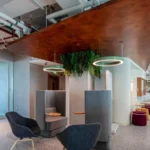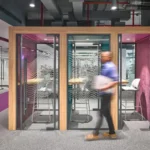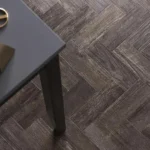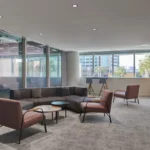



Flooring has always been an important part of architectural design. It influences how a space looks, feels and functions, while also affecting maintenance, durability and long-term operating costs.
Today, architects and designers are increasingly turning to Luxury Vinyl Tiles (LVT) as an alternative to traditional flooring materials such as natural stone, ceramic tiles and timber.
For commercial projects in the UAE, LVT offers a particularly compelling combination of design flexibility, durability and practical performance. It can reproduce the appearance of natural materials while offering installation and maintenance advantages that make it suitable for demanding environments.
But what exactly is LVT, and why has it become such a popular specification choice?
What Is LVT?
Luxury Vinyl Tile, commonly known as LVT, is a multi-layered resilient flooring product designed for commercial and residential applications.
Unlike basic vinyl flooring, modern LVT is engineered to replicate the appearance of materials such as timber, stone and ceramic through high-resolution printed designs and textured wear layers.
A typical LVT construction includes several layers, each serving a specific purpose:
- Protective wear layer: Helps resist everyday wear, scratches and staining.
- Decorative layer: Creates the visual appearance of wood, stone or other materials.
- Core layer: Provides dimensional stability and structural performance.
- Backing layer: Supports installation and overall product performance.
This combination allows architects to achieve sophisticated design outcomes without necessarily using the natural material being replicated.
Why Architects Love LVT
Architects and interior designers are often balancing multiple requirements simultaneously: aesthetics, performance, budget, maintenance and project timelines.
LVT addresses many of these requirements within a single flooring category.
Design Freedom
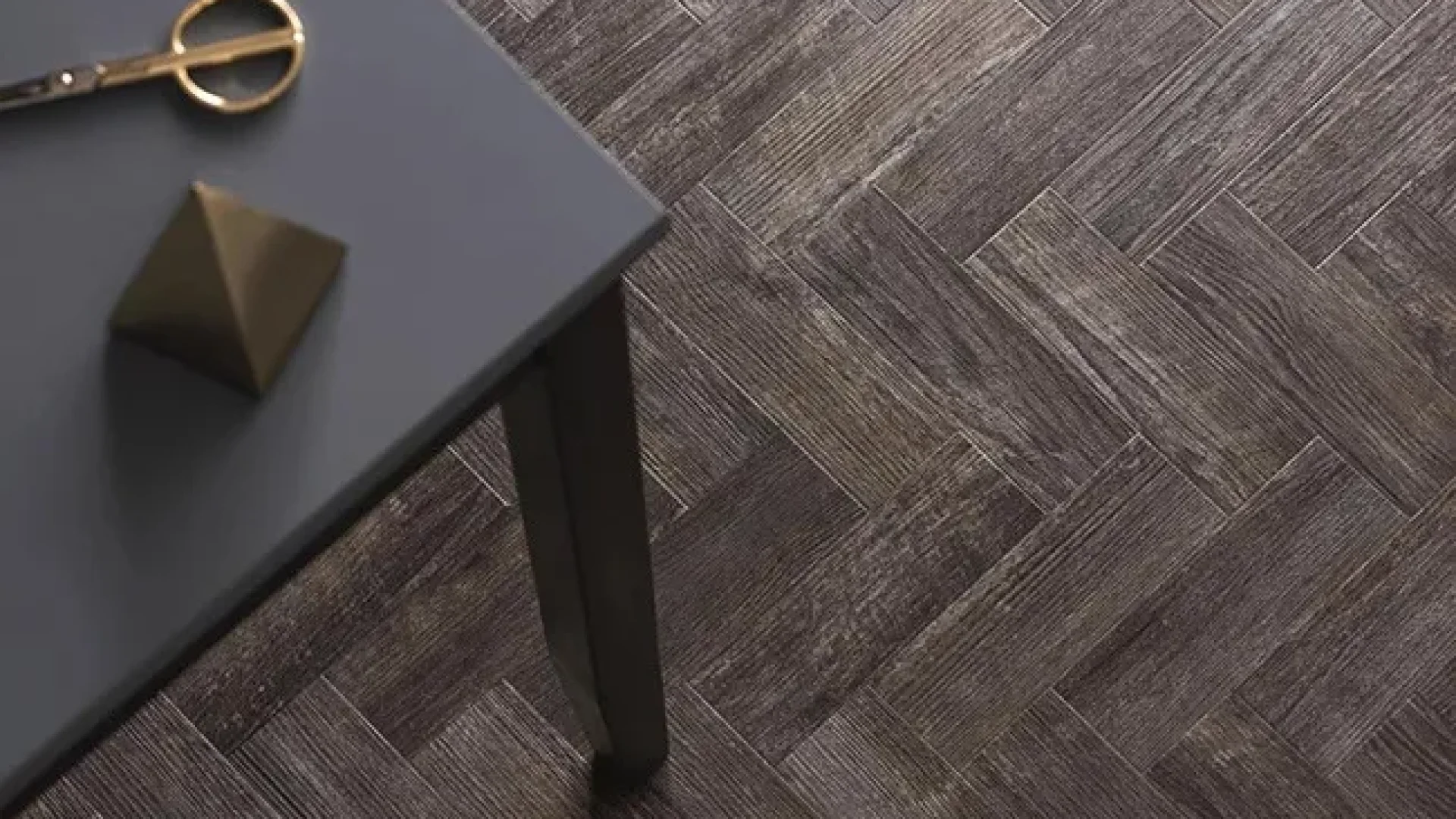
LVT is available in an extensive range of colours, patterns, textures and plank or tile formats. It can replicate the appearance of natural oak, marble, concrete, stone and other materials.
This gives designers greater freedom to establish different visual identities across different areas of a project.
Practical Performance
Commercial environments need flooring that can withstand daily use. LVT can provide strong resistance to general wear, making it suitable for many high-traffic applications when the correct product specification is selected.
Easier Maintenance
Compared with some traditional flooring materials, LVT can be relatively straightforward to clean and maintain. Its resistance to staining and moisture can also make it practical for busy commercial environments.
Installation Flexibility
Depending on the product and installation system, LVT can offer different installation approaches, including glue-down and click systems.
This flexibility can help architects and contractors select a solution that suits the requirements of the project.
LVT in Hospitality
Hotels, restaurants and other hospitality environments need flooring that combines visual appeal with commercial performance.
Guests notice the smallest details, making the appearance of flooring particularly important. At the same time, lobbies, corridors, restaurants and guest areas can experience substantial foot traffic.
LVT can allow hospitality designers to create the appearance of premium timber or stone while selecting a flooring system designed for commercial use.
It can be used across areas such as:
- Hotel rooms and corridors
- Reception and lobby areas
- Restaurants and cafés
- Retail areas within hotels
- Common spaces
The ability to combine different colours, patterns and plank layouts can also help create distinct zones within a hospitality environment.
LVT in Healthcare
Healthcare environments place demanding requirements on flooring.
Hygiene, cleaning, durability and safety all need to be considered alongside the visual environment.
Depending on the specification, LVT can provide a practical surface that is easy to clean and suitable for a range of healthcare applications.
However, healthcare flooring should always be selected according to the specific requirements of the facility, including hygiene protocols, slip resistance, chemical resistance and applicable standards.
LVT in Corporate Offices
Modern offices are increasingly designed around flexibility, collaboration and employee experience.
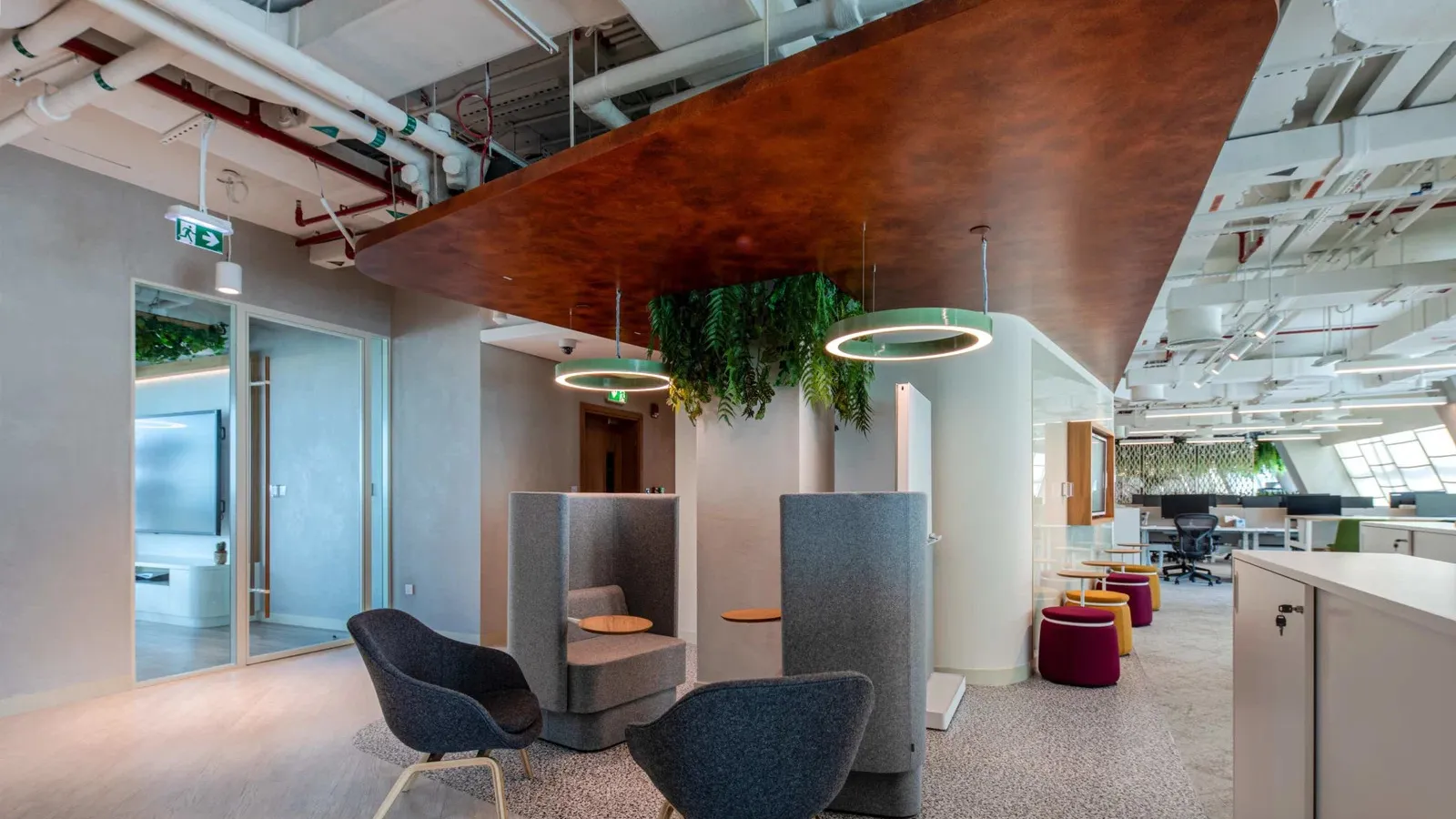
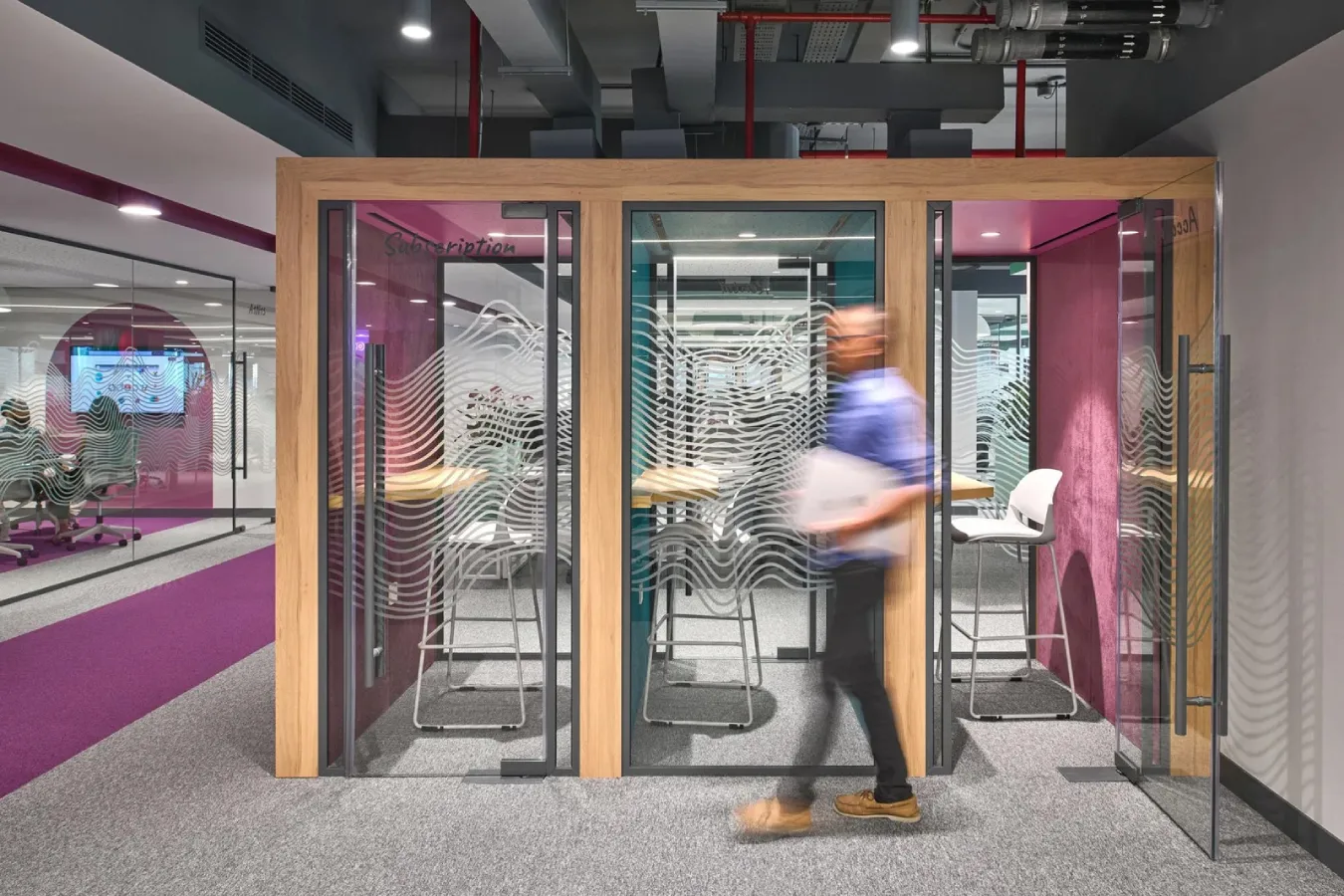
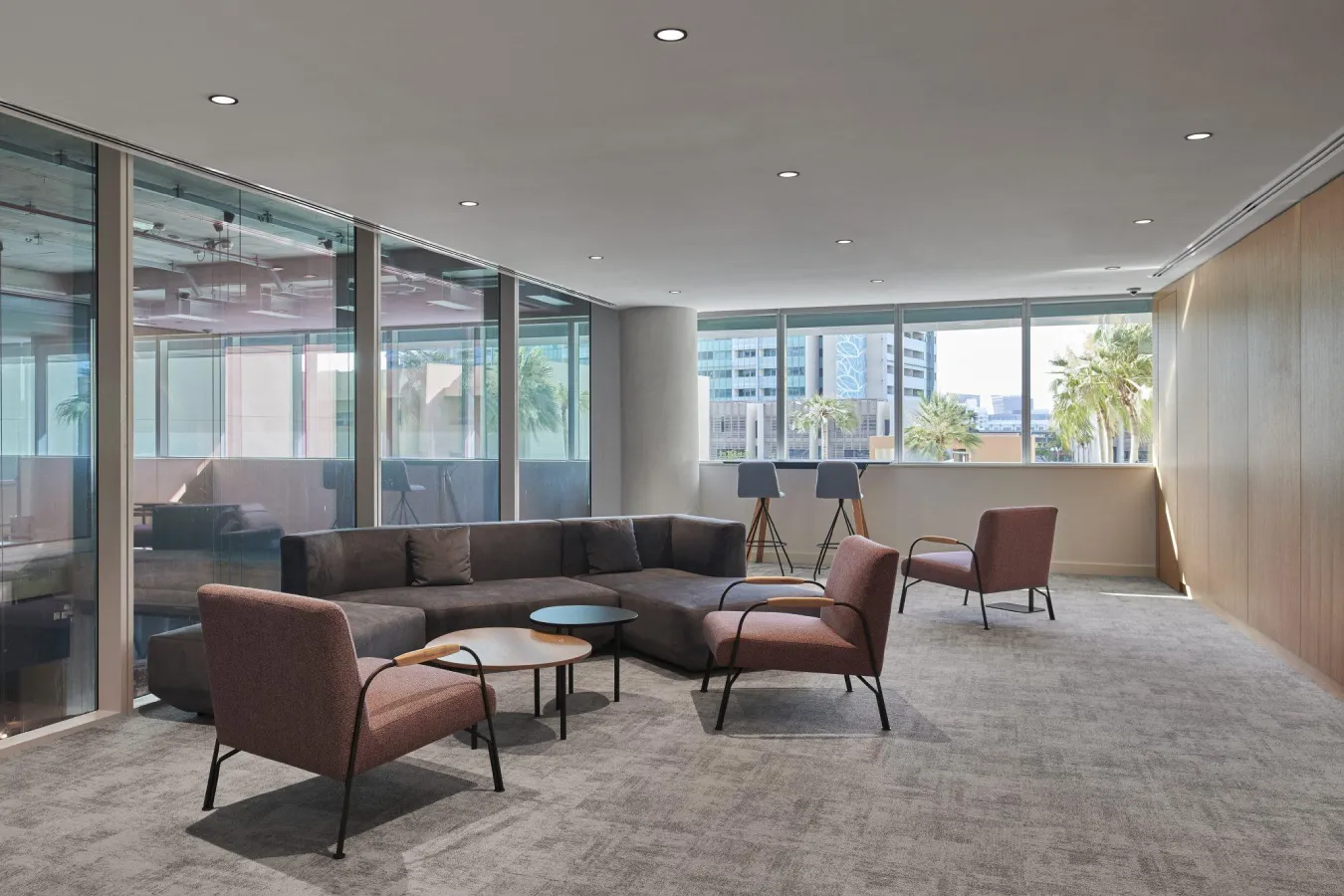
LVT fits naturally into this environment because it can provide a contemporary appearance while allowing designers to create different visual zones.
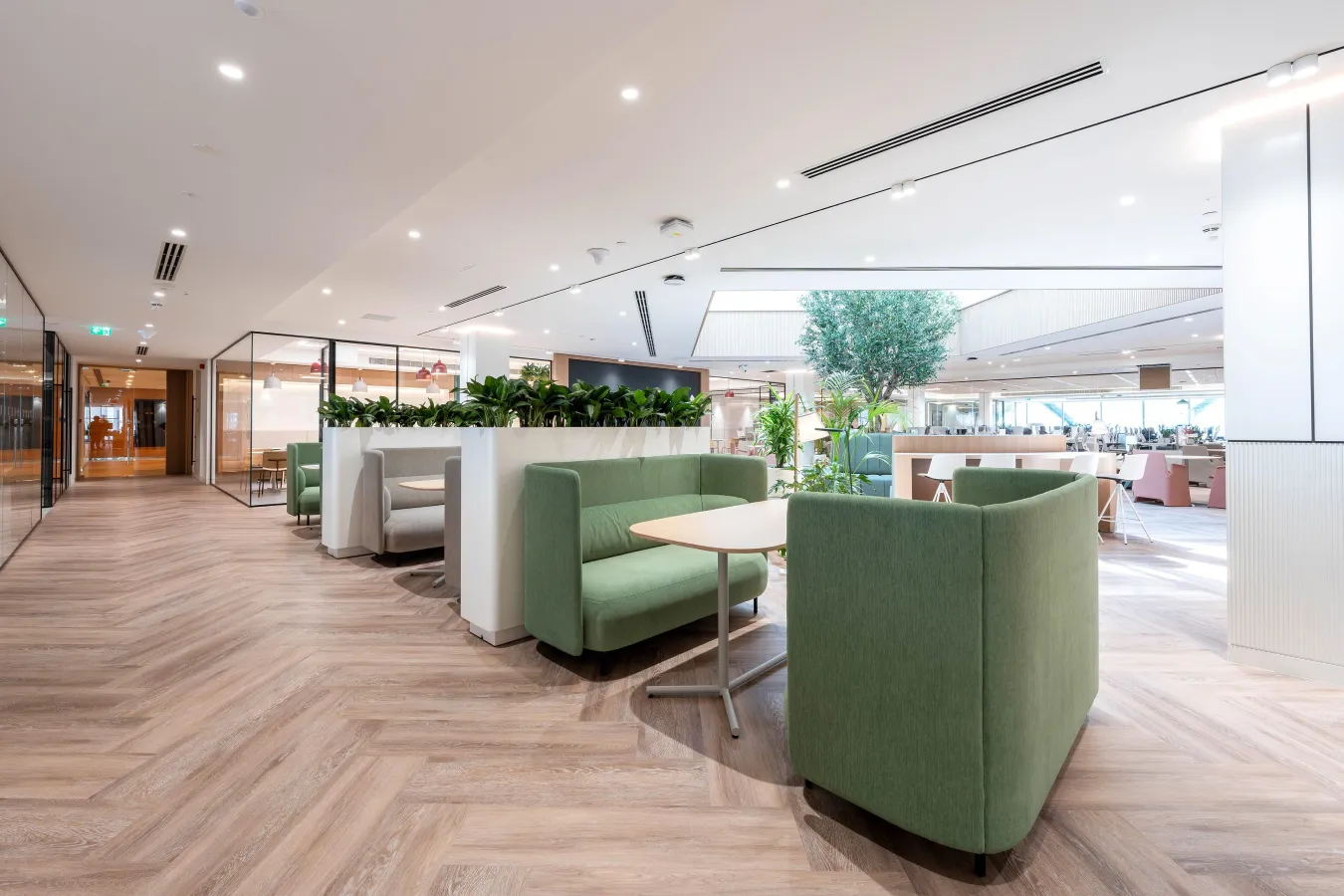
Wood-effect LVT, for example, can introduce warmth into reception areas and collaboration spaces, while stone or concrete-inspired designs can create a more contemporary aesthetic.
LVT can also be combined with other flooring products, such as carpet tiles, to define different areas within an office without creating a disconnected overall design.
LVT in Retail
Retail flooring needs to withstand foot traffic while supporting the brand experience.
From fashion stores and showrooms to cafés and specialist retailers, flooring can influence how customers perceive the space.
LVT provides designers with the ability to create distinctive patterns, textures and layouts while selecting a flooring product designed for commercial conditions.
For retailers, the combination of design flexibility and practical maintenance can make LVT an attractive alternative to more maintenance-intensive materials.
Durability
One of the main reasons LVT has gained popularity is its ability to combine visual appeal with durability.
The wear layer plays an important role in protecting the decorative surface from everyday use. However, not all LVT products are the same.
Commercial projects should consider factors such as:
- Expected foot traffic
- Wear-layer thickness
- Scratch and stain resistance
- Installation method
- Subfloor conditions
- Manufacturer specifications
- Warranty requirements
Selecting the correct grade of LVT for the environment is essential. A product designed for light commercial use may not be appropriate for a heavily trafficked retail or hospitality environment.
Sustainability
Sustainability is becoming an increasingly important consideration when specifying flooring.
The sustainability credentials of an LVT product depend on factors such as its composition, manufacturing process, recycled content, expected lifespan and end-of-life options.
A long-lasting flooring product can contribute to lifecycle sustainability by reducing the frequency of replacement.
Architects and project teams should therefore look beyond simple product claims and evaluate the complete lifecycle of the flooring—from manufacturing and installation through to maintenance and eventual replacement.
Where sustainability certifications or environmental product information are relevant to the project, these should also be considered during specification.
Cost Comparison
Comparing LVT purely on purchase price can be misleading.
Traditional flooring materials such as natural stone, ceramic tiles or hardwood can offer excellent performance and aesthetics, but their total cost may also include more complex installation, specialist maintenance, repairs and replacement.
LVT can offer a different cost profile.
Its advantages may include:
- Competitive material costs
- Faster or simpler installation, depending on the system
- Lower routine maintenance requirements
- Easier replacement of damaged sections in some modular systems
- Reduced disruption during maintenance
- Consistent design without the variability of some natural materials
The right comparison is therefore not simply LVT vs traditional flooring price per square metre.
It is the total lifecycle cost of the flooring.
For commercial projects, a flooring solution that costs slightly more to purchase but requires less maintenance and lasts longer may ultimately provide better value.
The Architect’s Advantage
The popularity of LVT is not simply about replacing traditional materials with a cheaper alternative.
It is about giving architects another tool.
LVT can offer the visual language of natural materials while providing a different combination of durability, maintenance, design flexibility and lifecycle value.
For architects working on commercial projects in the UAE, that combination can be particularly valuable when a project needs to achieve a premium appearance without creating unnecessary operational complexity.
Final Thoughts from Dawood Ali Mirza
The best flooring specification is one that considers the entire life of the space—not just how the floor looks when the project is handed over.
LVT has evolved significantly, giving architects and designers a practical alternative for environments ranging from corporate offices and retail spaces to hospitality and healthcare.
Its success ultimately depends on correct product selection, proper installation and matching the specification to the demands of the environment.
“When specified correctly, LVT can outperform many traditional flooring materials while significantly reducing maintenance costs.”
— Dawood Ali Mirza