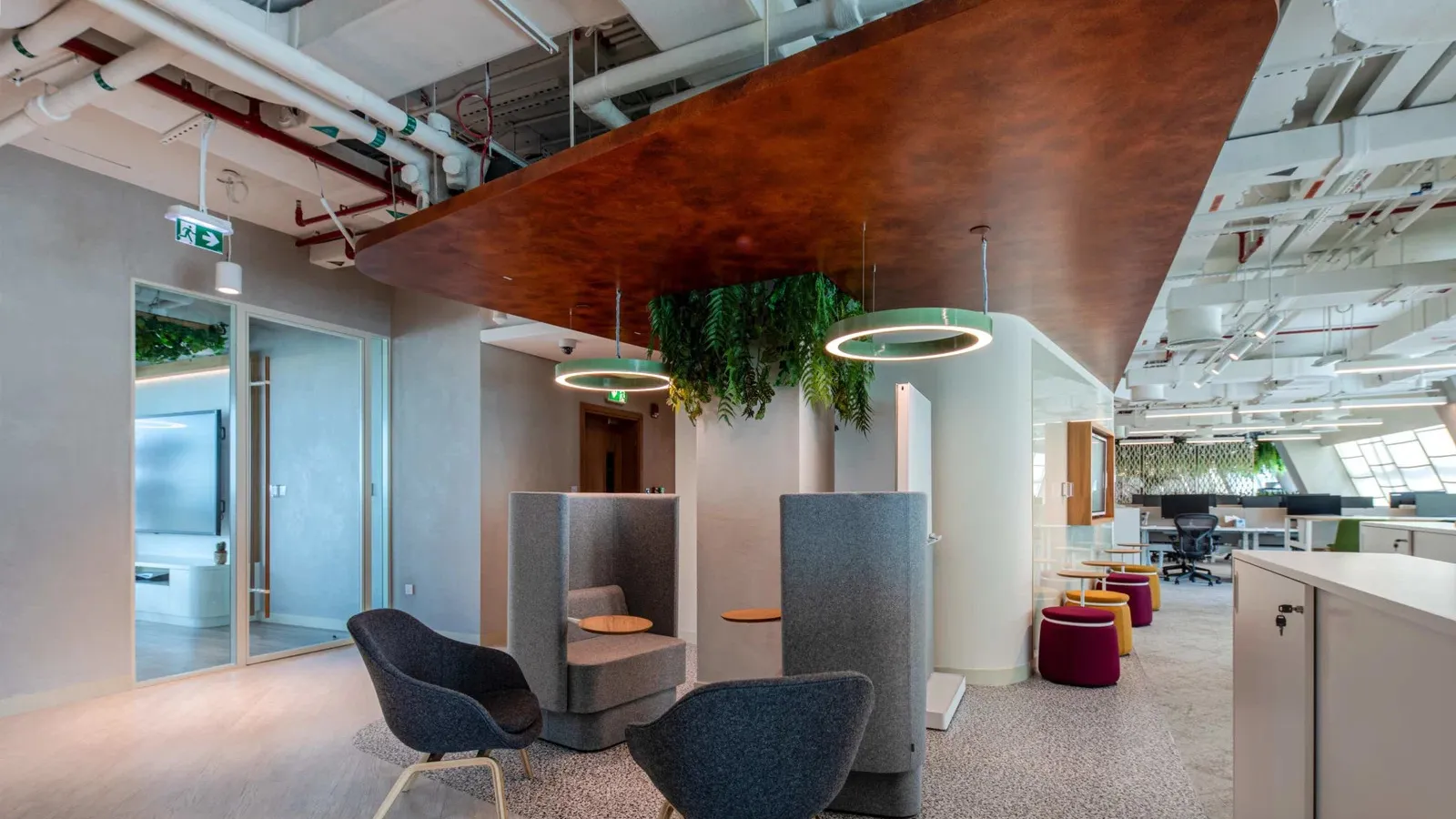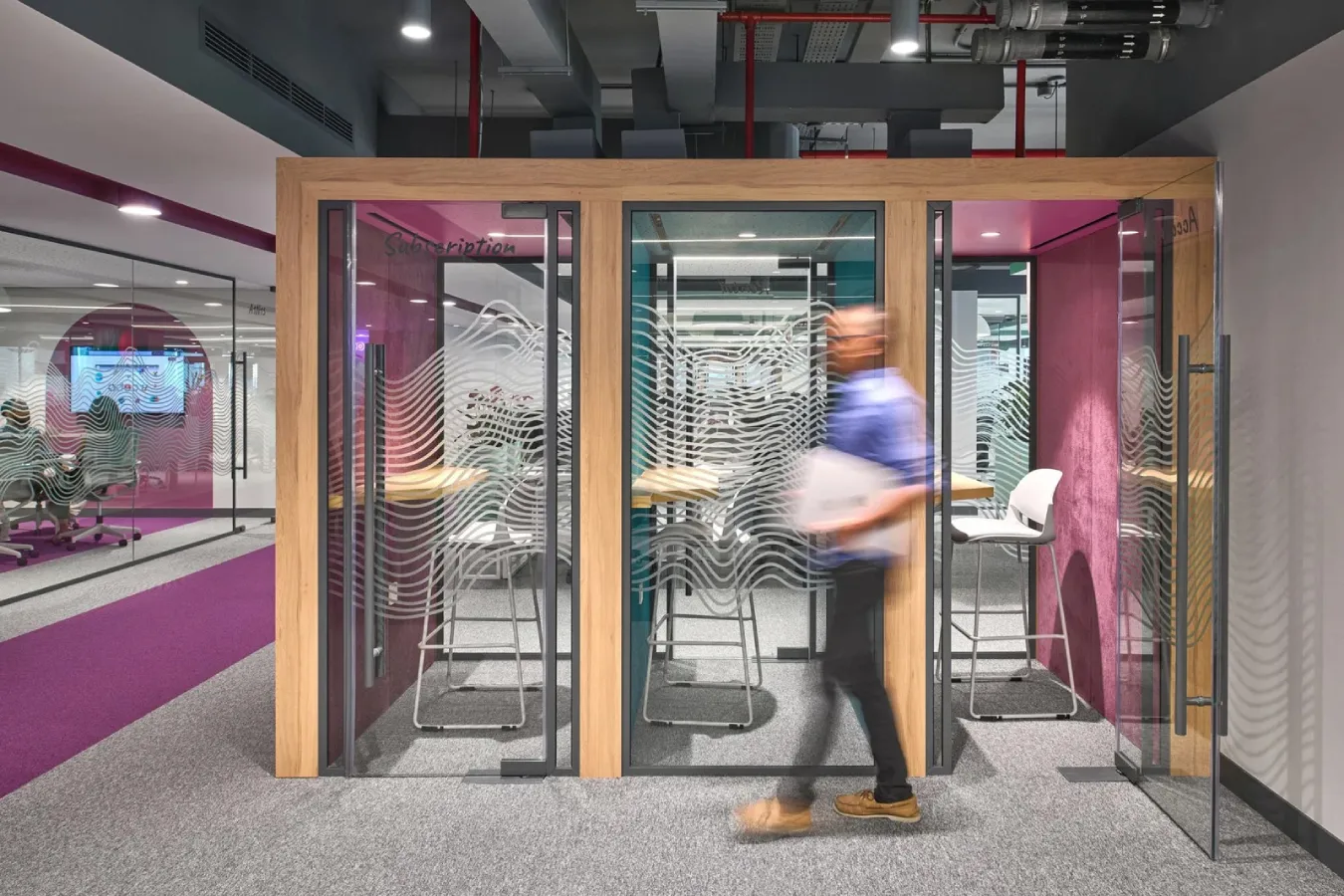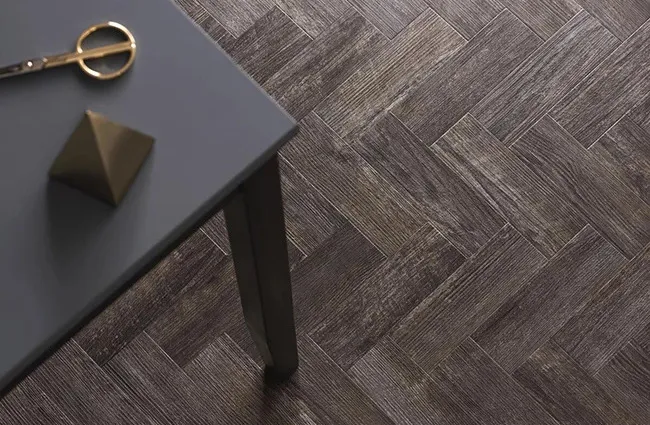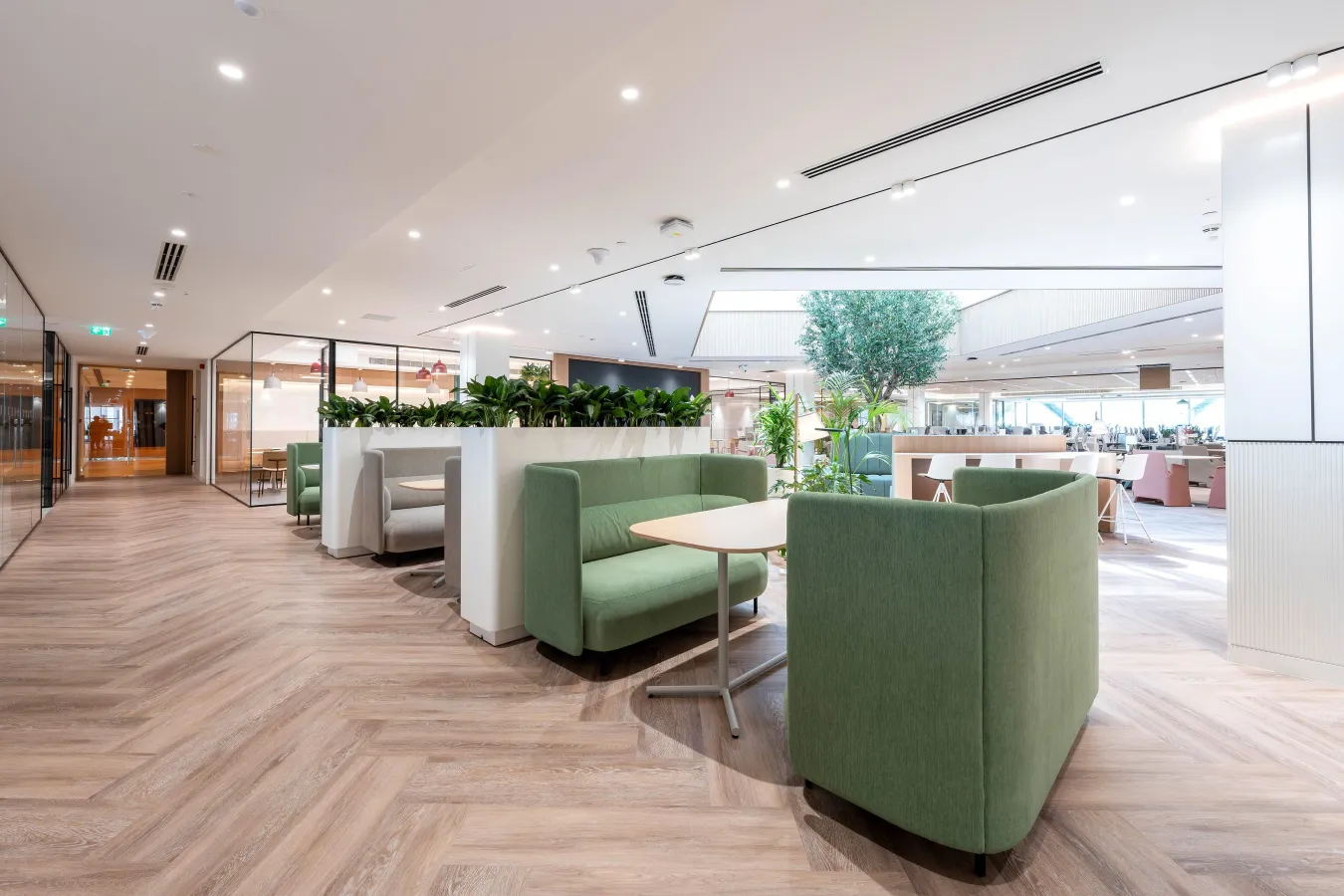



Commercial flooring is no longer simply a finishing material selected at the end of a fit-out project. As workplaces evolve, flooring is becoming part of a broader conversation around sustainability, employee wellbeing, flexibility, technology and long-term operational value.
For businesses in the UAE, these changes are particularly relevant. Modern offices and commercial environments need to support hybrid working, changing layouts, higher expectations around sustainability and increasingly sophisticated workplace experiences.
The latest commercial flooring trends in the UAE reflect this shift. Here are seven developments shaping the future of commercial flooring and modern workspaces.
-
Sustainable Flooring Is Becoming the Standard
Sustainability is moving from a corporate aspiration to a practical specification requirement.
Businesses are increasingly considering the environmental impact of the materials they use, from manufacturing and transportation to maintenance, lifespan and end-of-life disposal.
This is creating greater interest in flooring products with recycled or recyclable content, responsible manufacturing processes and longer service lives.
But sustainability is not simply about choosing a product labelled “green.” A durable floor that lasts longer and requires fewer replacements can also reduce resource consumption over its lifecycle.
The future of sustainable flooring will therefore focus on performance and environmental responsibility together.
-
Biophilic Design Is Moving Underfoot
Biophilic design brings elements and visual cues from nature into built environments. While plants, natural light and organic materials are often the most visible elements, flooring plays an important supporting role.
Wood-inspired finishes, natural textures, earthy tones and organic patterns can help create environments that feel warmer and more connected to nature.
This is particularly relevant in commercial offices, where businesses are looking for ways to make workplaces feel less institutional and more comfortable.
Flooring can provide the visual foundation for this approach, helping create spaces that feel natural without compromising commercial performance.
-
Flexible Workspaces Need Flexible Flooring
The traditional office layout is changing.
Workplaces increasingly include collaboration zones, private rooms, informal meeting areas, touchdown spaces and multipurpose environments. As teams and work patterns change, these spaces may need to be reconfigured.
That makes flexibility an increasingly important consideration when selecting flooring.
Flooring systems that can be adapted, repaired or replaced in sections can offer significant advantages over solutions that require large areas to be removed whenever a workspace changes.
The future workplace will not just be flexible in its furniture and technology. Its flooring needs to support that flexibility too.
-
Modular Flooring Is Gaining Ground
Modular flooring is closely connected to the rise of flexible workplaces.
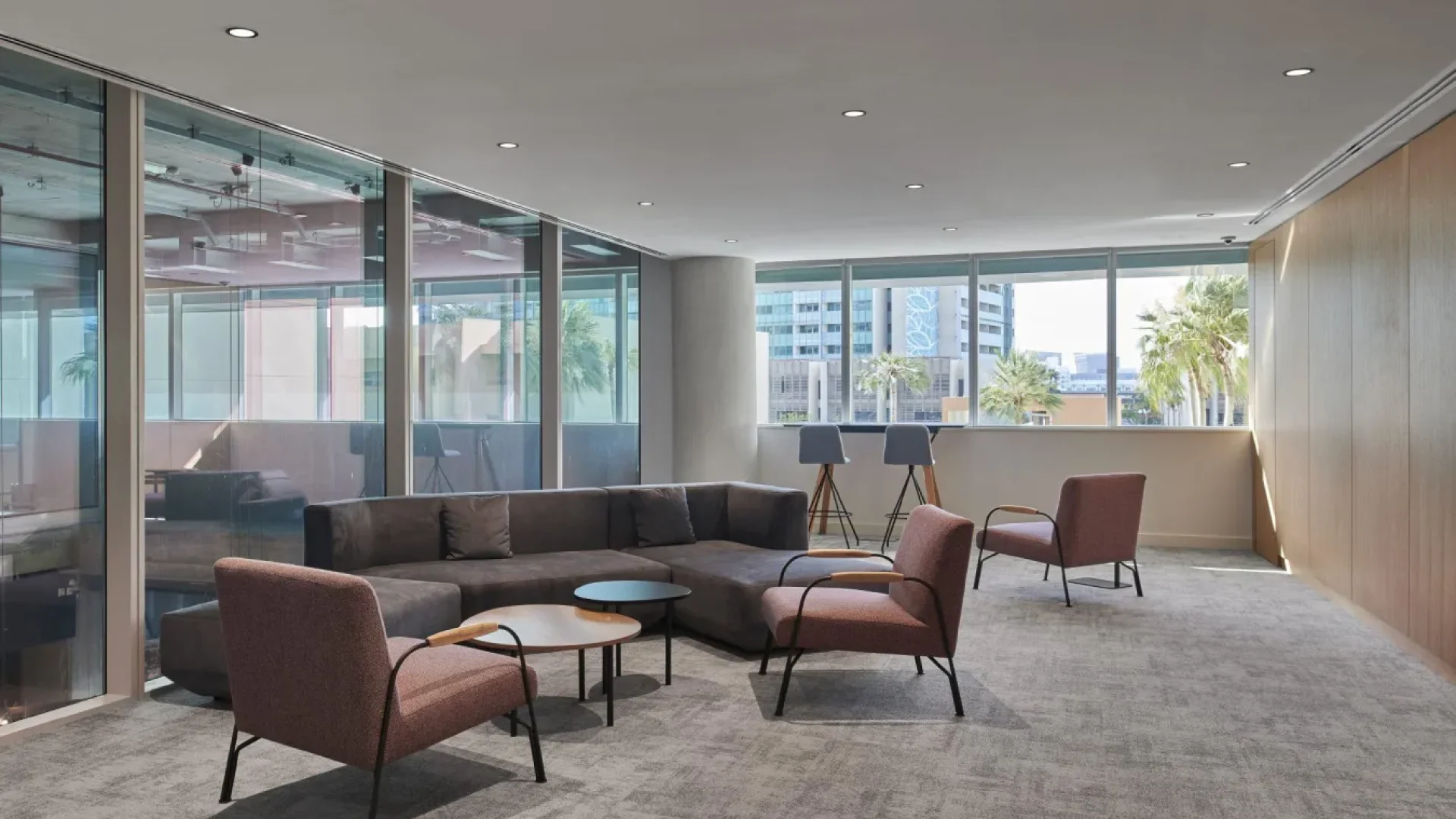
Carpet tiles and other modular flooring systems allow individual sections to be replaced, rearranged or maintained without necessarily disturbing an entire floor.
This can help businesses reduce waste, simplify maintenance and minimise disruption.
For facilities managers, modularity can also make it easier to respond to high-wear areas. Instead of replacing an entire room because a small section has deteriorated, the affected area can potentially be addressed independently.
As businesses become more conscious of lifecycle costs, modular flooring is likely to become an increasingly attractive commercial solution.
-
Acoustic Comfort Is Becoming a Workplace Priority
A visually impressive office can still be an uncomfortable place to work if it is constantly noisy.
Open-plan workplaces, collaboration areas, video calls and increased employee interaction have made acoustic comfort a major consideration in workplace design.
Flooring can contribute to the acoustic performance of an environment. Carpet tiles and other flooring systems can help reduce impact noise and create a more comfortable sound environment when specified as part of a broader acoustic strategy.
The future of workplace flooring is therefore not just about what employees see beneath their feet. It is also about what they hear around them.
-
Flooring Is Becoming Part of the Smart Building
Smart buildings are changing how commercial spaces operate.
Sensors, connected systems, occupancy monitoring and building-management technologies are increasingly being integrated into modern workplaces. While flooring itself may not always be a “smart” technology, the flooring system needs to work alongside the infrastructure that supports these technologies.
Raised access flooring, for example, can provide valuable flexibility for managing power, data and communications infrastructure beneath the finished floor.
As offices become more connected, flooring will increasingly be considered as part of the building’s infrastructure rather than simply a surface.
-
Low-Maintenance Materials Are Delivering More Value
Time and maintenance costs matter.
Commercial spaces operate under constant pressure to remain clean, functional and presentable without disrupting employees, customers or visitors. This makes easy-to-maintain flooring increasingly attractive.
Modern commercial flooring solutions are being selected not only for their appearance and durability but also for how easily they can be cleaned, repaired and maintained.
Low-maintenance materials can help reduce ongoing operational costs and extend the useful life of a flooring installation.
For businesses, this reinforces an important principle: the best flooring is not necessarily the flooring with the lowest purchase price. It is the flooring that delivers the right performance throughout its lifecycle.
Wellness-Focused Interiors
Although workplace wellness extends far beyond flooring, the floor can contribute to the overall experience of a space.
Comfort, acoustics, natural-looking materials, appropriate textures and thoughtful zoning can all influence how people experience their working environment.
Modern workplaces are increasingly being designed around the people who use them—not simply around desks, equipment and square metres.
This means flooring selection needs to consider questions such as:
- Does the flooring contribute to acoustic comfort?
- Is it comfortable for people who spend long periods on their feet?
- Does it support a welcoming and calming environment?
- Does its design complement natural materials and biophilic elements?
- Can it adapt as workplace needs change?
The future of commercial flooring is increasingly about creating environments that support both business performance and human experience.
What These Trends Mean for UAE Businesses
The direction of commercial flooring is clear: businesses are looking for solutions that do more than cover a floor.
They want flooring that can support flexible workplaces, contribute to sustainability objectives, improve comfort, reduce maintenance requirements and remain valuable over the long term.
For UAE businesses planning a new office, refurbishment or commercial fit-out, understanding these trends can help ensure that today’s flooring decision does not become tomorrow’s limitation.
As Dawood Ali Mirza puts it:
“The future of commercial flooring is not about choosing what looks good today. It is about choosing what continues to perform as the workplace evolves.”
Final Thoughts
Commercial flooring is becoming an increasingly strategic part of workplace design.
Sustainable materials, biophilic aesthetics, modular systems, acoustic performance, smart-building infrastructure, low-maintenance solutions and wellness-focused interiors are all influencing how modern commercial spaces are designed.
The businesses that consider these factors early can create workplaces that are not only attractive today but also adaptable, efficient and relevant for years to come.
Explore Our Flooring Solutions
Looking for the right flooring solution for your commercial space?
Explore Our Flooring Solutions and discover options designed around the way modern businesses work.